





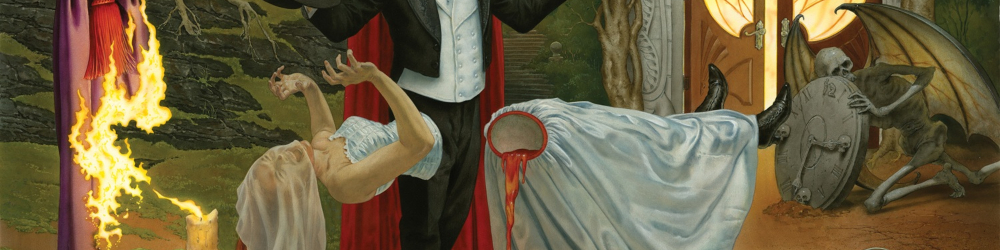




Bumps the size of a chicken egg, bursting abscesses oozing inflamed and putrid-smelling pus, subcutaneous bleeding that caused the skin to discolor, severe fever and/or vomiting blood with dark mucus: victims of the plague died a gruesome death. The disease has left its excruciating mark on humanity in the past. During the epidemic of 1347 to 1352, also known as the Black Death, between 75 and 200 million people died from the plague in Europe and Asia. During plagues, so-called plague masters or plague doctors (Latin: medico peste) were appointed. They visited the sick to determine whether they had the plague, after which the idea was to isolate the plague sufferers so that they could not infect others. The images of the plague masters are iconic, in which they are depicted wearing protective leather clothing and a beak-like mask. The latter was filled with herbs and spices; it was thought that the plague spread through the air, and the herbs kept the air clean. Although these images are more common, they date only from the seventeenth century and the beak probably only occurred in France and Italy in small numbers.
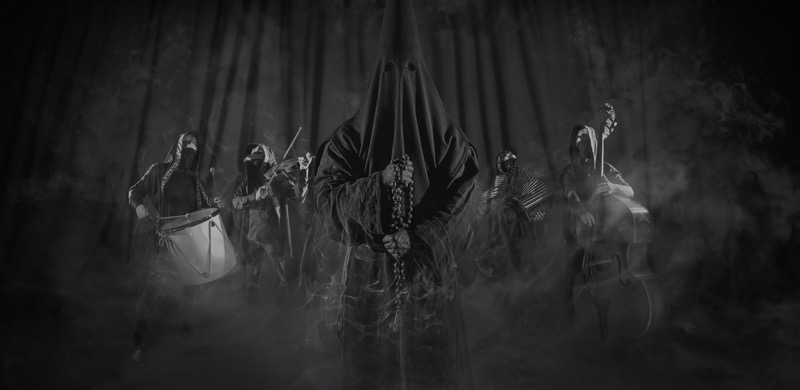
Not from the countries mentioned above, but from Krakow (Poland) comes the band Medico Peste. The band has released a demo (Graviora Manent 2011), an EP ( Herzogian Darkness , 2017) and two albums (in 2012 א: Tremendum et Fascinatio and The Black Bile from 2020). The band has had a very turbulent period recently. In the years that followed the release of the most recent album, many band members called it quits. In 2022, both guitarists called it quits and a year later the drummer also left. Of the line-up that had released ב: The Black Bile, only singer Lazarus was left. In Zann (Monasterium) and Zerachiel (Pandrador) a bassist and guitarist were found respectively. Adrian Stempak (Pandorador) picked up the drumsticks. And when the band takes the stage, Heresiarch joins the quartet as second guitarist. Five years after the previous album, the quartet now presents their third album: Aesthetic Of Hunger. Do all these line-up changes still have an influence on what we are presented with musically?
It has. And no, not because the titles of the previous full-length albums opened with the Hebrew letters for A and B, but this time the Hebrew C (ג) is definitely missing. On Aesthetic Of Hunger, the quartet returns a bit more to the tumultuous, the more indefinable, slightly uncomfortable, reckless, alternating sound that the band used on the debut album א: Tremendum et Fascinatio. Or in short: they opt for a slightly avant-garde, somewhat more experimental sound. Where the previous album ב: The Black Bile is qualitatively really well put together, it also lacks – for me at least – the much-needed variety and consistency. As the album progressed, my attention faded. Just a bit too much of the same? Just a bit too transparent, just not adventurous enough?
How different it is on Aesthetic Of Hunger. Where the beginning of the opening track St. Anthony’s Fire seems somewhat contemplative, this turns out to be ‘only’ the well-known calm before the storm. With a dogged, scorching speed, the track ignites after just over two minutes. The musical landscape on the album is formed by driven sections full of fast tremolos, distorted riffs, piercing blast beats that create a wall of sound, catchy, frigid melodies and chilling, furious vocals that vary from screaming, whispering, reciting and moaning to whining. And now too, the black metal of the quartet can easily be labelled as dissonant, turbulent, biting, recalcitrant and passionate. Despite the band unleashing a torrent of leaden riffs, blistering drums and snarling vocals, Aesthetic Of Hunger is more than a slashing exercise chock full of unleashed impetuosity. In terms of speed, it’s so much more than just full speed ahead; a short, undisturbed, almost peaceful passage is regularly built in (St. Anthony’s Fire, Ecclessiogenic Psychosis, Viaticum, Act of Faith) to give the contrast and disruption of the songs within even more cache.
Do you like your black metal with creative twists, with evil riffs and a dark, morbid atmosphere? The Polish Medico Peste brings you three quarters (and three seconds) of melancholic, but at the same time oh so artistic, depravity on their third album. Gloomy obscurity and inner strength come together in an impressive and intriguing way on Aesthetic Of Hunger. An album that does not rely on embellishment, theatricality or flamboyance, but comes deep, deep, deep from within and thrives on qualitative inventiveness. It would be – to throw up a predictable cliché – an absolute mistake to avoid this album like the plague. Don’t let this beauty pass you by. Wrap yourself in the haze of grimy darkness and let yourself be overcome by this intense, inner sensation.

Score:
86/100
Label:
Malignant Voices , 2025
Tracklisting:
- Anthony’s Fire
- The Black Lotus
- Subversion & Simulacra
- Ecclessiogenic Psychosis
- Antrakt
- Folie de Dieu
- Viaticum
- Act Of Faith
Line-up:
- Lazarus – Vocals, guitar, keyboard
- Zann – Bass guitar
- Zerachiel – Guitar
- Adrian Stempak – Drums
Links: