

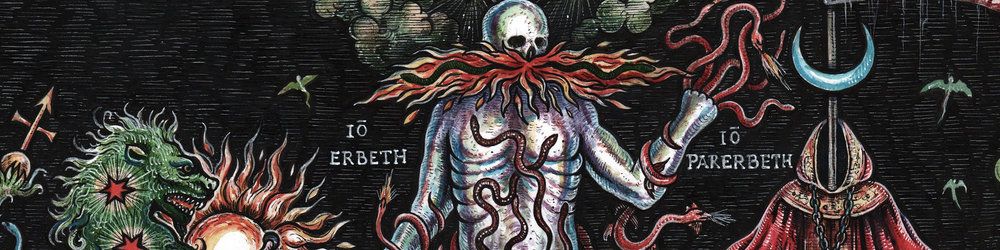
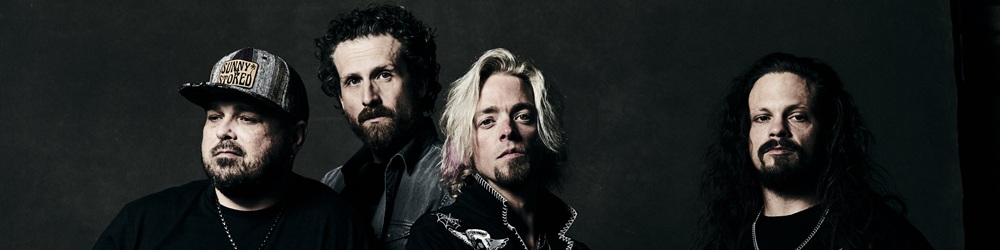

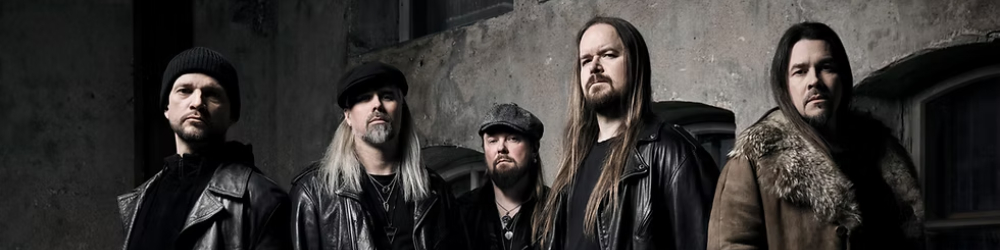
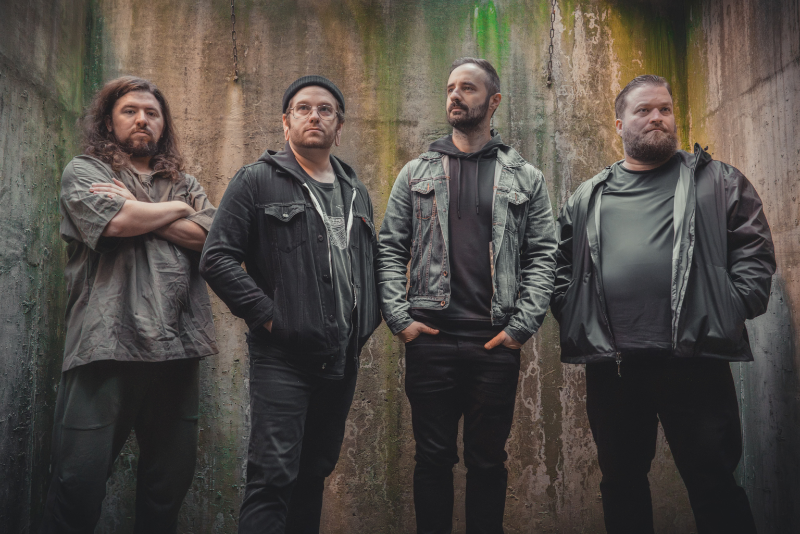
Kardashev brings us the latest chapter in their own created deathgaze genre. It can rightly be called a chapter, since this American formation does not just make music, but wants to convey this to the listener in the form of a story. This was already beautifully demonstrated on the previous album Liminal Rite. This time, however, the story ties in with the events of The Almanac, an EP that was released much earlier in 2017. Therefore the band is going back to the past. Do we also find an ode to bygone times on a musical level or is the band once again taking a step in a new direction?
With very high expectations the start button is pressed for the first time. On the one hand because of the strong discography (I already mentioned Liminal Rite, but The Baring Of Shadows also deserves praise), but certainly also because of the first single Reunion, which left a strong impression. That song has been on repeat for a while and if that is a harbinger for the rest of the album, we can prepare ourselves for year-list material. Noticeable from the very start is that the musical framework is immediately recognizable as Kardashev. One change, however, is the prominence of death(core) compared to the gaze. The dreamy atmosphere is used less prominently and drawn out in favor of more progressive death metal influences. As a result, the music loses some of the dynamics that gave Kardashev the characteristic sound on previous material, and ultimately that the music as a whole is elaborated in a more generic manner.
Rest assured there are still plenty of dynamics, in the first place by figurehead Mark Garrett. He growls, screams, roars and shouts like we are back in the old times and puts his heart and soul into it, as he does in the sensitive clear vocals as well. In addition to his work as a musician, the man is also busy as a vocal coach via his own platform Kardavox Academy (check out his YouTube channel for incredibly nice reviews and analyses of extreme vocals). Every now and then, however, so many techniques are used alternately (it almost seems like a competition to use the most vocal styles) that the balance tips a bit. In addition, in some places on the album, a self-developed language is used, which draws even more attention to the vocal aspect of the record. Something that, in this case, is more distracting than it does good.
Links: