



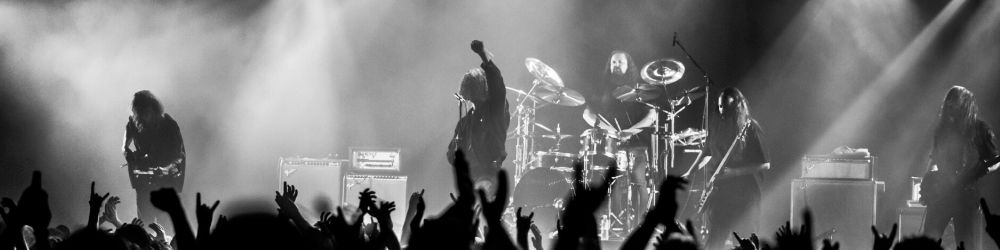


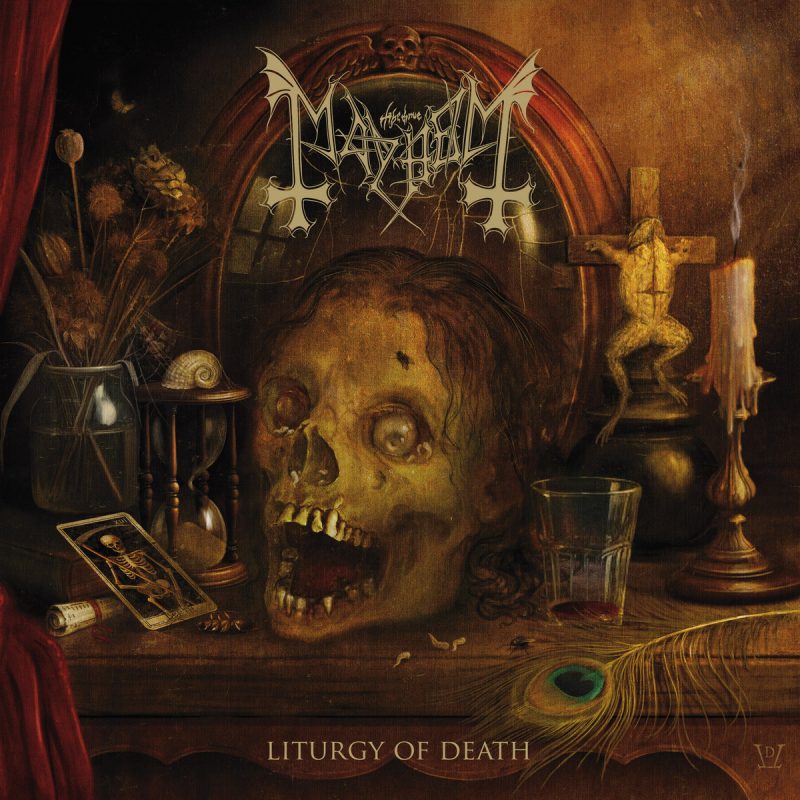
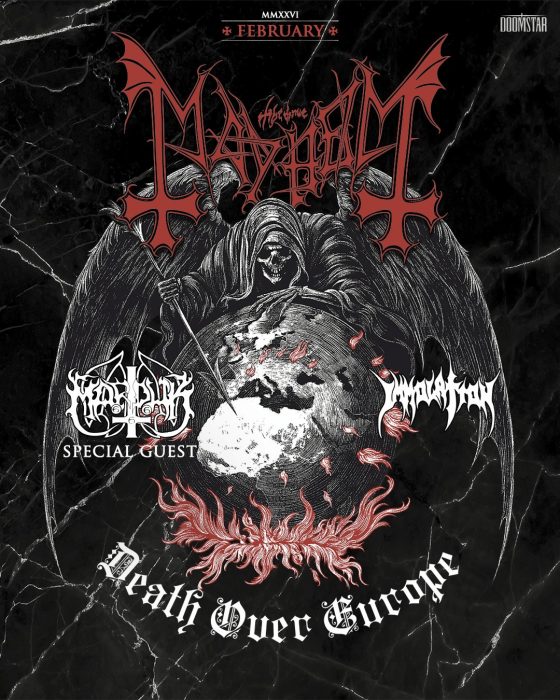
Mayhem, icon of True Norwegian Black Metal, is indestructible. The band has just released an excellent album, Liturgy of Death, and immediately hit the road with Marduk and Immolation to promote the new work. Zware Metalen caught up with the group in Groningen and Utrecht. More than enough reason to fire off some questions at vocalist Attila Csihar, the Hungarian who was brought in in 1993 to record the unforgettable debut De Mysteriis Dom Sathanas, and who has been a permanent presence behind the microphone since 2004.
When did you start thinking about a successor to Daemon, and how does that process work within a band like Mayhem?
The idea started to take shape about three to four years ago. I wasn’t actively looking for a theme, the theme found me: death as a universal phenomenon. I realized that this would be an enormous challenge and, having just turned 55, I felt that the time might have come to tackle it. After forty years in the black metal scene, I felt it was time to truly face this subject and dive deeply into it.
I first shared the idea with Morten and Charles (Ghul, the guitarists of Mayhem) and then with the rest of the band. Once we had collectively decided that this was the right direction, we began exchanging ideas back and forth. I sent texts, sketches, and concepts, while they shared musical suggestions, themes, parts, and small demos. That’s how the whole process began.
Were there aspects of the recording process of Daemon that you liked and wanted to carry over into the recording process of Liturgy of Death?
Above all, I wanted to make much better use of my voice and of how versatile I can be in using different vocal styles. In that respect, the new album is similar to Daemon, on which I also used a broad range of vocal approaches, unlike Esoteric Warfare, where I explored that diversity less. It differs from Daemon, however, in that on that album we wrote the lyrics together with the band members, whereas this time I wrote everything myself.
More than many other bands, Mayhem always carries its past with it. Dead, Euronymous, De Mysteriis Dom Sathanas… do these kinds of things still feel like a burden when making a new album?
I wouldn’t necessarily call it a burden, but it’s clear that our past carries a certain weight, a kind of gravity. Since this album is exclusively about death, that history is actually completely relevant here. While writing the lyrics, I naturally often invoked the spirit of Euronymous and Dead. From that perspective, the central theme of death fits well, because the band’s history is also closely connected to it.
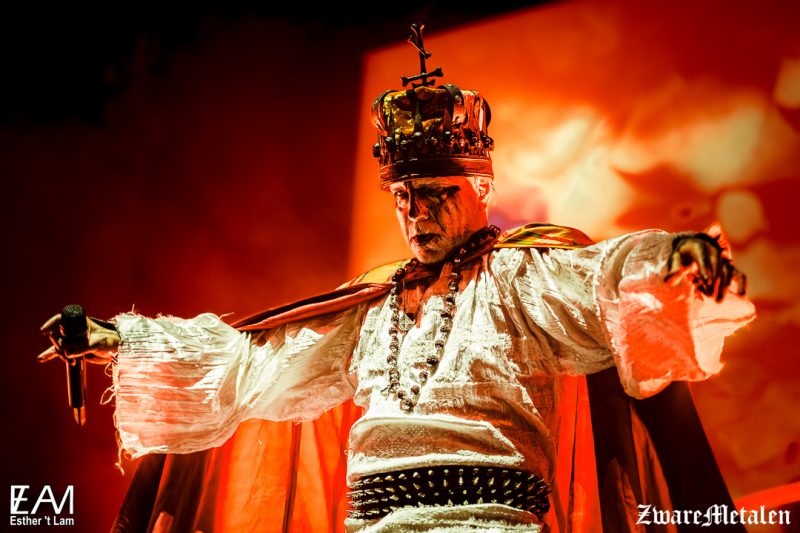
Attila Csihar on stage at TivoliVredenburg earlier this year
Can you tell us a bit more about the ideas behind Liturgy of Death as a concept album about death as an inevitable phenomenon in life?
Certainly. Death is an inevitable part of life: sooner or later, we all have to confront it. From that perspective, the theme carries an enormous weight. During our European tour, it became even more relevant to me. While we were in Madrid, I visited the Prado Museum. I noticed that about every second painting dealt with death. That made me realize that although people today tend to avoid the thought of death, this has not always been the case.
On this album, I approached the theme of Death from multiple angles. One aspect is the horror of death and the fear surrounding it: cruelty, pain in life, meaninglessness, illness, suffering, old age, hopelessness, and confusion. All of this belongs to life and ultimately culminates in death. But from another perspective, death can also represent liberation from these torments and from suffering. And I believe that the greatest pain and sorrow are actually experienced by those who remain behind: the loved ones.
Another spiritual aspect that deeply affected me was being present at the birth of my children. When I saw how my son was taken out of the womb—an extremely painful act for the mother—I realized that we do not only begin to live at the moment we enter the world. Life was already happening in the womb, just in another dimension. The child was already living in that dimension. If we go further back in time, we arrive at the egg cell and the sperm cell, which are also alive and in motion. In that sense, there is no clear beginning. I do not remember my own beginning either. Memory is strange: it simply starts, without a clear point of origin.
At one point, I had the vision that the last breath in this life is the first breath in the next. But the last thing I want to do is establish a new belief system. On the contrary, I try to encourage people to ask their own questions and find answers individually, instead of letting someone else decide what happens after this life.
Toward the end, interesting questions also arose. Recently, there was an electrician working at my house who told me about a near‑death experience. He had suffered a fatal electric shock and had been clinically dead for five minutes. He clearly remembered leaving his body and flying toward the sun. The sun appeared as a four‑dimensional tunnel of light, with a world at the end that felt extremely pleasant and brought complete liberation. But a force pulled him back, and he had to return to life, which he did not want. He then woke up in his body. This raises the question of whether the end is really so clearly defined. In a state of clinical death, something may still pass through. I give it at least a fifty percent chance that existence continues after death.
Another aspect is sleep. Every night we fall asleep, and every morning we wake up. If we were to observe this from the outside, from another dimension, it would look very strange. Yet it is the most natural thing in the world. If you think about it: we lie down, we dream, and if we did not remember the previous day upon waking, every day would be a rebirth.
And of course, there are traditions and art. As I saw in the museum, countless paintings, literary works, poems, and architectural structures deal with death. Humanity has always been preoccupied with it. And then there are religions, which very effectively turn people against one another by making false promises about what happens after death. That is one of the most refined forms of mind control.
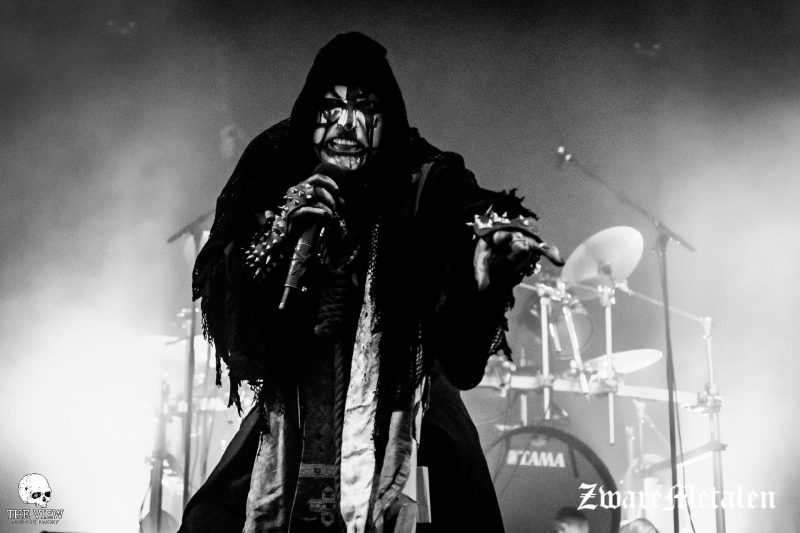
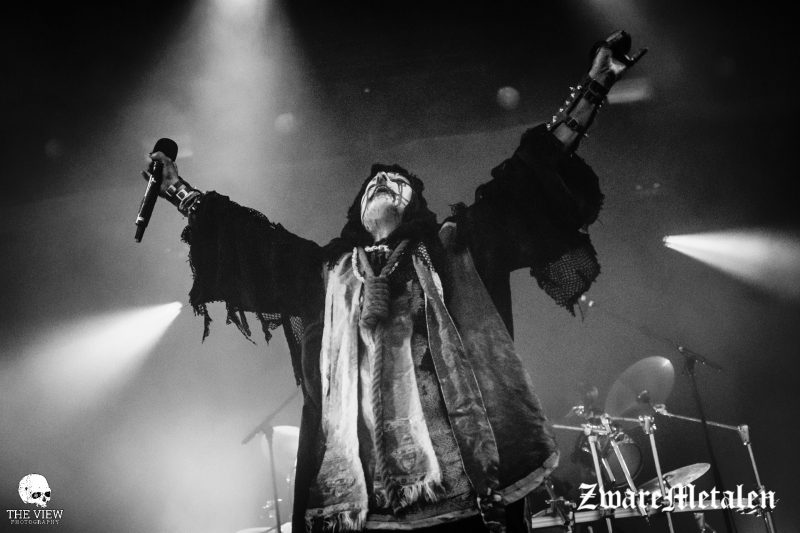
Attila Csihar in 2023 at Pitfest in Emmen
You are now 55. How long do you think you will continue making music? Do you see yourself more among the artists who are slowly starting to think about retirement, or among those who plan to go on until they literally drop dead?
That’s true, time is slowly catching up with me. But that doesn’t mean I’m going to stop making music. Honestly, I don’t really have a choice: music is one of the great loves of my life. From a very early age I’ve been fascinated by sound and hi‑fi. I’ve always been immersed in music and I still listen a lot, also at home. I don’t even own a television; instead, I have a beautiful stereo system that I’ve been refining for decades in order to achieve the purest possible sound. Of course, I also discover new things online, for example via YouTube. Listening to music and making music are an integral part of my life, alongside my family, for whom I consciously try to make time.
In that sense, I consider myself fortunate that I can do what I love. I have no retirement plans whatsoever, nothing at all. I will probably remain a performer and artist for the rest of my life, as long as my health allows it. Naturally, I try to save money for difficult times, but I have absolutely no intention of stopping with music. Especially because, no matter how often I promise myself not to start new bands, the ideas keep coming, and they are irresistible. At the moment, I am working on two new bands: one with Igor Cavalera of Cavalera Conspiracy and one with Rhys Fulber of Front Line Assembly.
Your stage presence with Mayhem, and also with one of your other bands, Tormentor, is very recognizable and intense. Is that something you consciously think about, or does it arise naturally?
Actually, it’s both. Of course, I’m aware that these bands have different meanings and representations. Tormentor is purely old school, rooted in the 1980s; we mainly play our old songs from that era with the original lineup, and it has always been more artistic and abstract than Mayhem. Back in the 1980s, Mayhem also didn’t perform as often as Tormentor. With Tormentor, we also created far more material: more than a hundred minutes of pure 1980s black metal, intended to be presented to new generations.
But as with everything, I also listen strongly to my inner impulses, my inner channel, and my instincts. When I conceive a new concert concept—the look, the design, the clothing—that becomes part of the total black metal art form. In reality, I am always the same singer, but I appear on stage each time from a slightly different aspect. I have made dark music my entire life and have always tried to artistically express the dark side of nature.
What do your preparations for a concert look like?
Prior to tours, we rehearse with the band, prepare ourselves, and learn the songs so that we can perform the new material properly. In addition, I obviously have to come up with a new concept for the specific occasion, which is often the most difficult part for me.
Shortly before concerts, I try to transcend myself. While getting ready and applying my makeup, I begin transforming my consciousness into the atmosphere of the concert. Sometimes I make small offerings and think of former bandmates who are no longer with us, of musical companions from the past.
For me, every concert is a ritual, not a simple form of entertainment. It is a spiritual and occult act. In those moments, I try to open myself to artistic channels and allow these transcendent energies to flow through me. In doing so, I also try to help the listeners, so that they can recharge and free themselves from stress, pain, life problems, and all the other suffering that is bound to the physical body.
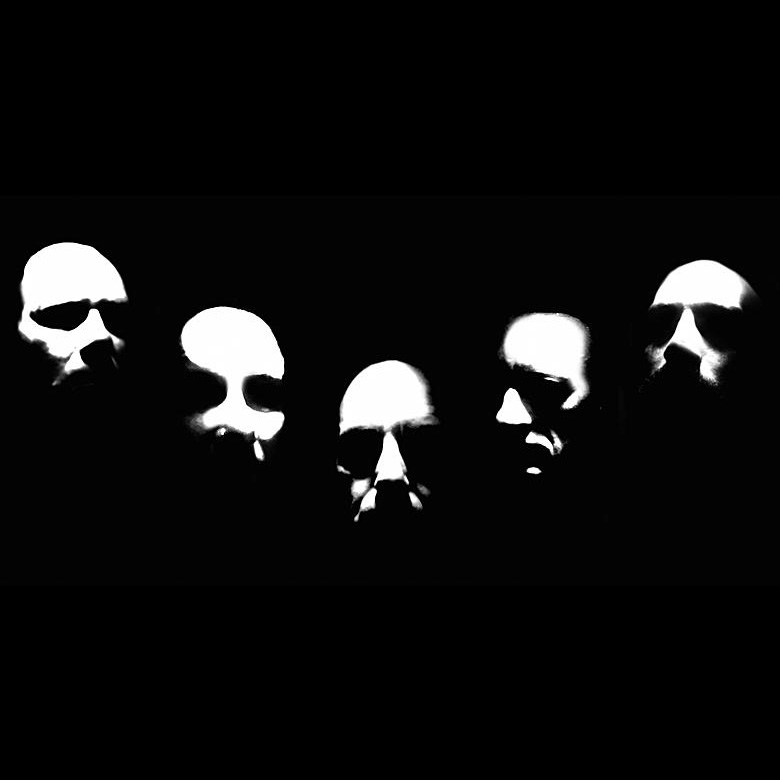
Mayhem
To what extent does your stage presentation differ from who you are as a person? Are there similarities between Attila on stage and Attila in everyday life?
Of course, I am also just a human being and I have an everyday life. But I can never completely detach myself from what I do and represent; it is so deeply embedded in my genes through the course of my life. I carry what I call a vertical perspective with me throughout the day: I perceive connections on a spiritual and occult level, not only on the material one. I pay attention to the signals given by nature. Most of my other activities are also related to music. When I read, for example, I often choose books about transcendent themes, philosophy, or psychology. So no, I can never fully separate myself from my artistic self.
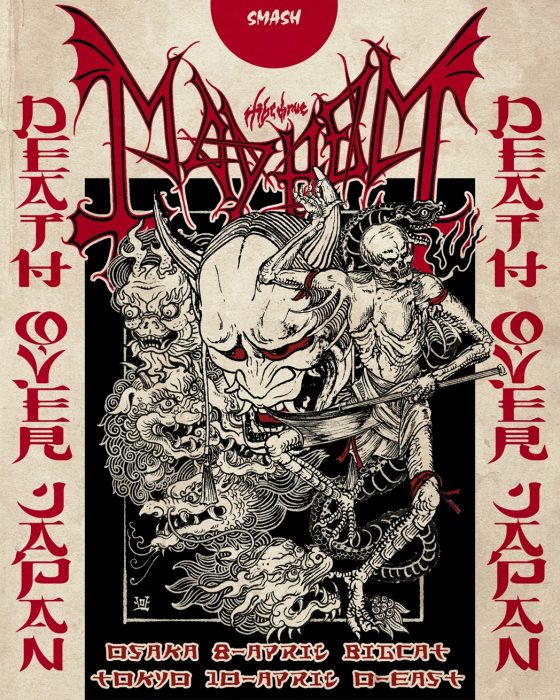
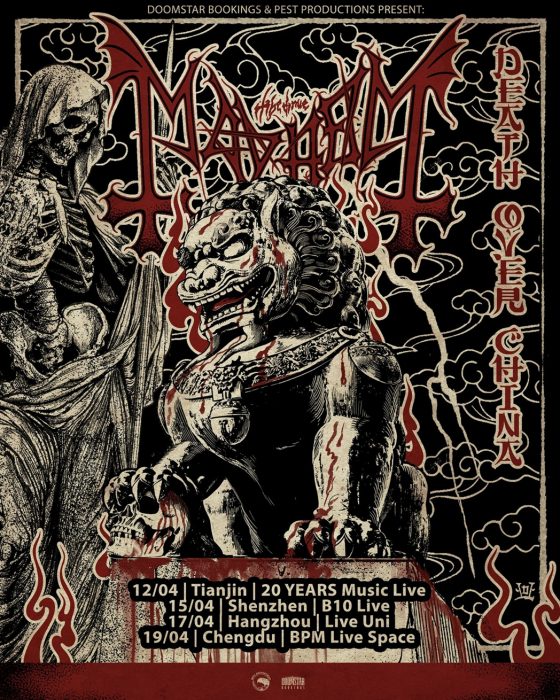
Mayhem has just completed a European tour and is currently playing in China and Japan. Do you still look forward to being on the road?
The European tour with Marduk and Immolation was very successful. Fortunately, the concerts were well attended and the feedback was extremely positive. Most shows were sold out or nearly sold out. A tour like that requires an enormous amount of work. But what I enjoy most of all is the moment when I stand on stage. That is where everything comes together. That is where everything happens. That is why I am here. It is the most beautiful part of everything. For me, playing live has always been the essence of making music. That is how I have always seen it.
You have been active in this world for a very long time and have played with musicians from many different countries. Is there a country or region where you truly feel at home? And what do you do when you are home?
Every place has its own magic. I feel at home in Europe. In the north, the audience is often strong and critical in a positive way, while the reception in the south is warmer. In South America, it is pure madness and intensity. Asia also has a very interesting audience. We are currently in China, where the interest is enormous. We are also very loved and respected in the United States; we have a huge fan base there. The same applies to Australia and Japan. In fact, we tour almost all over the world.
When I am at home, I try to focus on my family, but there is always something related to music: a new project, new lyrics, new demos. It is rare that I completely detach myself from music. But I have grown together with it. I am used to it and I have made peace with it. My life revolves around music.
Do you personally listen to a lot of black metal, or do you prefer something else?
There is a difference between touring and my free time. During tours, I am completely immersed in the black metal atmosphere. But at home, I actually listen to less black metal, because on tour I am already constantly surrounded by it. At home, I prefer listening to other types of music: classical music, including Indian classical music, old hard rock, and classic heavy metal. Sometimes I put on extreme metal, but I also listen a lot to gothic, industrial, and electronic music, as well as experimental music. I love old new wave from the 1980s and occasionally go back to music from the 1960s and 1970s.
What I hardly ever listen to is modern mainstream pop. I have almost no knowledge of it, because I don’t listen to the radio.
Mayhem is not the fastest band when it comes to releasing new material — but it can always be worse… can we ever expect a new Tormentor album?
It’s true that Mayhem does not release new albums very often. We always give the material time to mature and fully develop. We never rush things.
With Tormentor, the situation is somewhat different. There was a very long hiatus, and that band strongly represents the spirit of the 1980s. Now we are trying to find a sound that still carries the essence of that era, but is expressed in a contemporary way. We already have new material and new songs, but here as well we do not want to rush. A new Tormentor release can therefore be expected sooner or later.
The final question is entirely up to you. Is there anything else you would like to add?
I would like to add that, besides Mayhem, new albums can also be expected from two other projects of mine. I am currently working on new material with both Igor Cavalera and Rhys Fulber. In addition, I am involved in many guest contributions and side projects. For instance, the Norwegian band Khonsu recently invited me to contribute to their new album, on which I sing together with my daughter. That is something very special for me. She also has a very powerful voice. The album is entirely focused on Egyptian themes, which makes it extra unique.
Another side project with John Wise and my friend Balázs Pándi is also about to be released — something I almost forgot, because there is always so much happening at once.
It would actually be interesting one day to sit down properly and make a list of how many albums I have sung on and how many recordings I have made, because honestly, I have no idea. There have been very many over the years. Something funny happened recently. I randomly picked a record from my collection, listened to it, and thought: “This is actually quite good.” Then I looked at the cover and saw that I was the singer myself. That had never happened to me before. It was interesting to realize that I would probably also like my own music if I didn’t know it was mine.
Finally, I would like to encourage everyone to follow their own path. Don’t let yourself be influenced too easily. Focus on yourself. Life is short: we are only here temporarily. Try to look inward, because life is not something that needs to be solved only from the outside, but also from within.
Links: